Interview · The Last Single Girl in Sydney — Nikita Waldron
In The Last Single Girl in Sydney, writer-performer Nikita Waldron plays Poppy, a florist who insists she's fine, she's having fun, and love can't hurt her again. Directed by Maddie Diggins and produced by Peg on a Line Productions, the one-woman show runs 8–12 September at Erskineville Town Hall's Emerging Artist Share House as part of Sydney Fringe 2026.
When Love Gives You Lemons
Nikita Waldron on heartbreak, Fleabag, and writing a rom-com with a person of colour at its centre
In The Last Single Girl in Sydney, writer-performer Nikita Waldron plays Poppy: a florist who insists she's fine, she's having fun, and love can't hurt her again. Directed by Maddie Diggins and produced by Peg on a Line Productions, the one-woman show runs 8–12 September at Erskineville Town Hall's Emerging Artist Share House as part of Sydney Fringe 2026.
Interviewed by Aubrey Naur
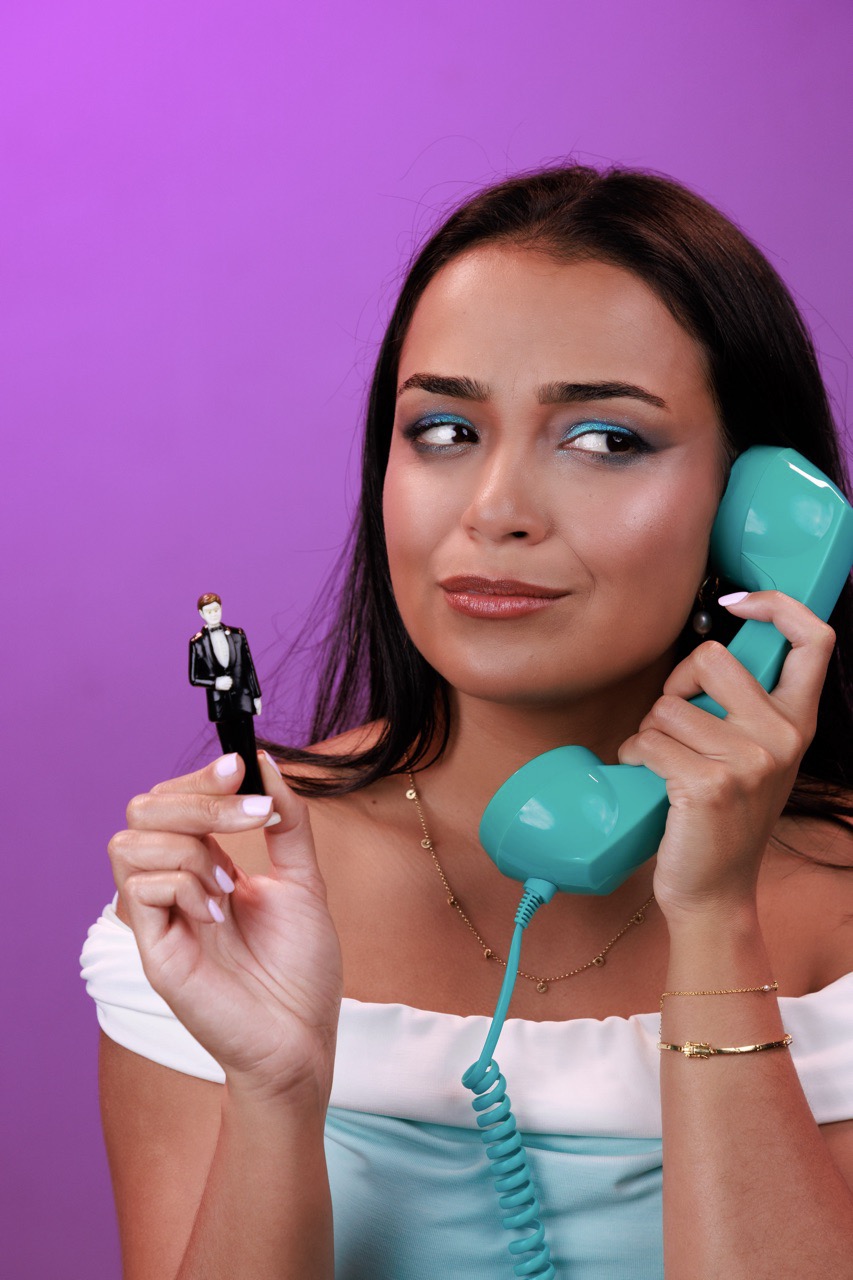
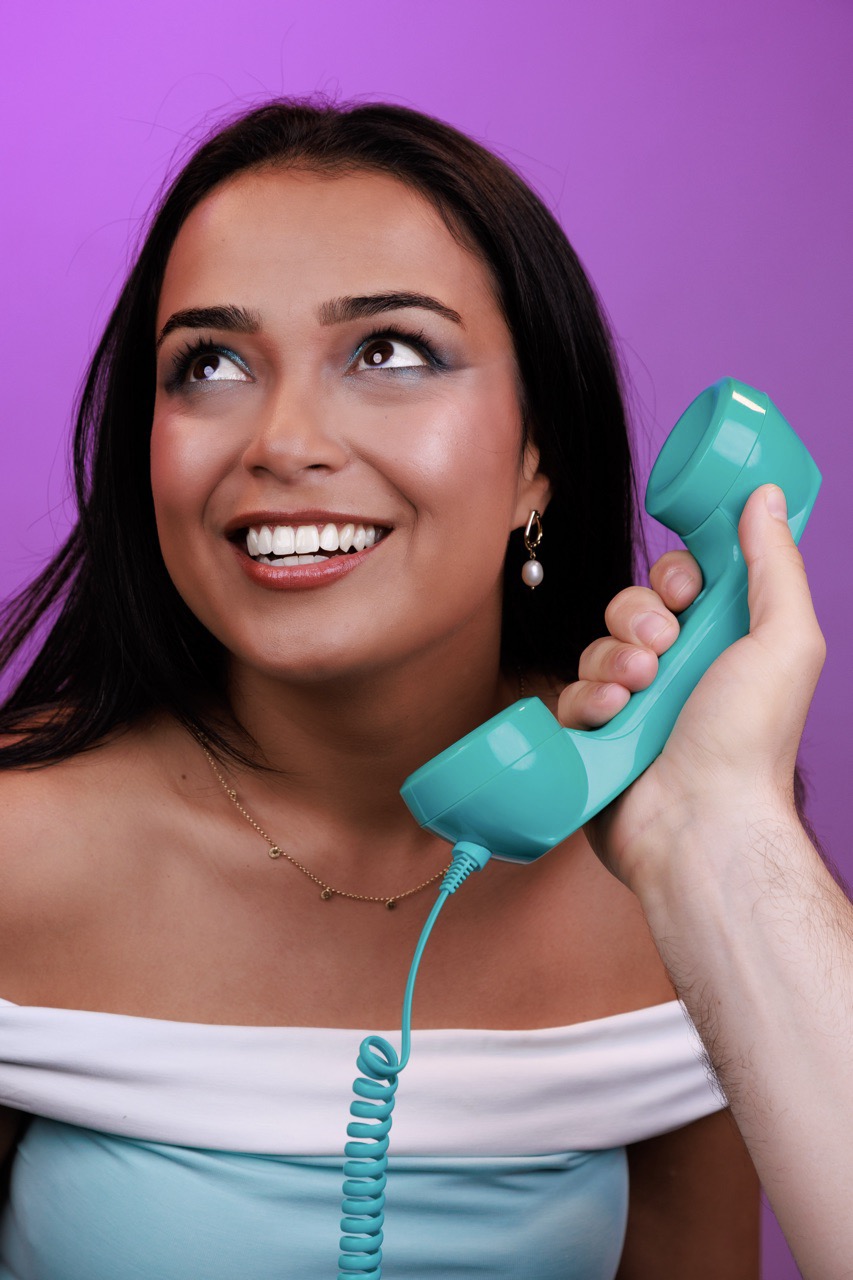
Photo by Matt Bartlett.
Nikita Waldron has spent the last few years in writers' rooms — note-taking for Sarah Lambert, Gretel Vella and Kim Wilson, absorbing the mechanics of half-hour comedy from inside the room. Her first play, Amber, took five years from winning the Rebel Wilson Comedy Commission to opening at the Old Fitz. Her second, The Last Single Girl in Sydney, has come together in a matter of months.
It is also her first solo show, and her first time at Fringe. A viral Instagram skit has already racked up half a million views in twenty-four hours; Time Out has slotted the show into a must-see roundup. Waldron is 31, single, and interested in what actually happens when the timelines everyone quietly measures themselves against stop lining up. Poppy, her protagonist, decides — for the first time in her life — to just date for fun. It goes about as well as you'd expect. What follows is a wild, funny, unmistakably heartfelt hour about running from your own loneliness and, eventually, turning around to look at it.
We spoke a few days out from opening, from opposite ends of the world.
This conversation has been edited for length and clarity.
Tell me about the show in your own words.
"The show is a lot of fun. That's the first thing I would say about it. It's loosely based on an interesting period in my life — grain of salt, because it's certainly a work of fiction — but I was inspired by a few heartbreaks I'd had, and the fact that heartbreak often ran alongside some of the most fun I'd ever had in my life. It deepened my friendships and taught me a lot more about myself. So I infused those ideas into the play."
"We watch our protagonist journey through singledom. She's in a bit of a rut initially, but with time and a lot of failed dating, she learns she's complete on her own. That's the general arc."
We've all tried to recuperate from a breakup by turning it into art. Is there something about this particular moment in your life you wanted to catch?
"I'm 31, so I'm in my early thirties, and I've noticed increasingly in the last few years as people have married and started on their journey of having children — everyone's on different timelines. While there's no race, it certainly feels like when you've been single at this period, and for most of your adult life, you feel a bit behind. Certain things in the way society is structured, you're missing out on."
"And these big questions about where your future is heading. If you do want to eventually have children, or settle down with a partner, so much is beyond your control. Timing, financial pressures, the difficult and miraculous thing of actually falling in love. And, of course, women have a biological clock they're also working with. So yes, it's about heartbreak and what can be gained from it, but also these social pressures at the same time."
Your previous show, Amber, was a five-actor director-led production at the Old Fitz. How has that experience shaped a one-woman show?
"Amber was quite a journey. It took me from winning the Rebel Wilson Comedy Commission to actually getting it on stage — five years. In that time I was discovering, oh, I'm a writer too, I'm not just an actor. I started working in writers' rooms for TV. It was my first play to make it on stage, and the process was so different: many artists, lots of readings beforehand, a lot of feedback from a lot of different people."
"This is a totally different beast. I'm more experienced as a writer, but I'm pulling it together much quicker. I've never done a one-woman show before, but my director, Maddie Diggins, is very experienced in the genre — she's directed award-winning fringe productions and toured shows with Fringe before. It's just me and Maddie working on the script. She's functioning a lot as a dramaturg as well as a director, and we're building it together through rehearsals."
"With Amber, when we started rehearsals the script was pretty much locked off. With this, it has changed a lot. I'm realising, as we rehearse, things that seem obvious: oh, I can't be in five different characters at once. Even in group scenes I have to transform quickly between voices and intentions. So we've had to strip it back and make it as much of a monologue as possible, then inject other voices where I can — because that's really fun, too. I love shifting between Poppy and all these other figures who swirl in and out of her life. That's where a lot of the comedy comes from."
One of the logistical things you don't have to manage as a solo performer is a cast — you can be more responsive when a scene is being dramaturged live.
"It's a blessing in some ways, but also a curse. I'm going to miss having a cast to act with. It's okay now because we're in rehearsals and I'm with Maddie, so it doesn't feel like I'm doing it by myself. But performing with other people is also incredible. It's a different experience. I'm hoping my audiences will be really warm and we kind of go on this ride together."
"I'm finding, as an artist, I feel more like an Olympian, an athlete. Physically it's more demanding. Vocally. All those things in any play are demanding in one sense, but this is a whole new level of precision."
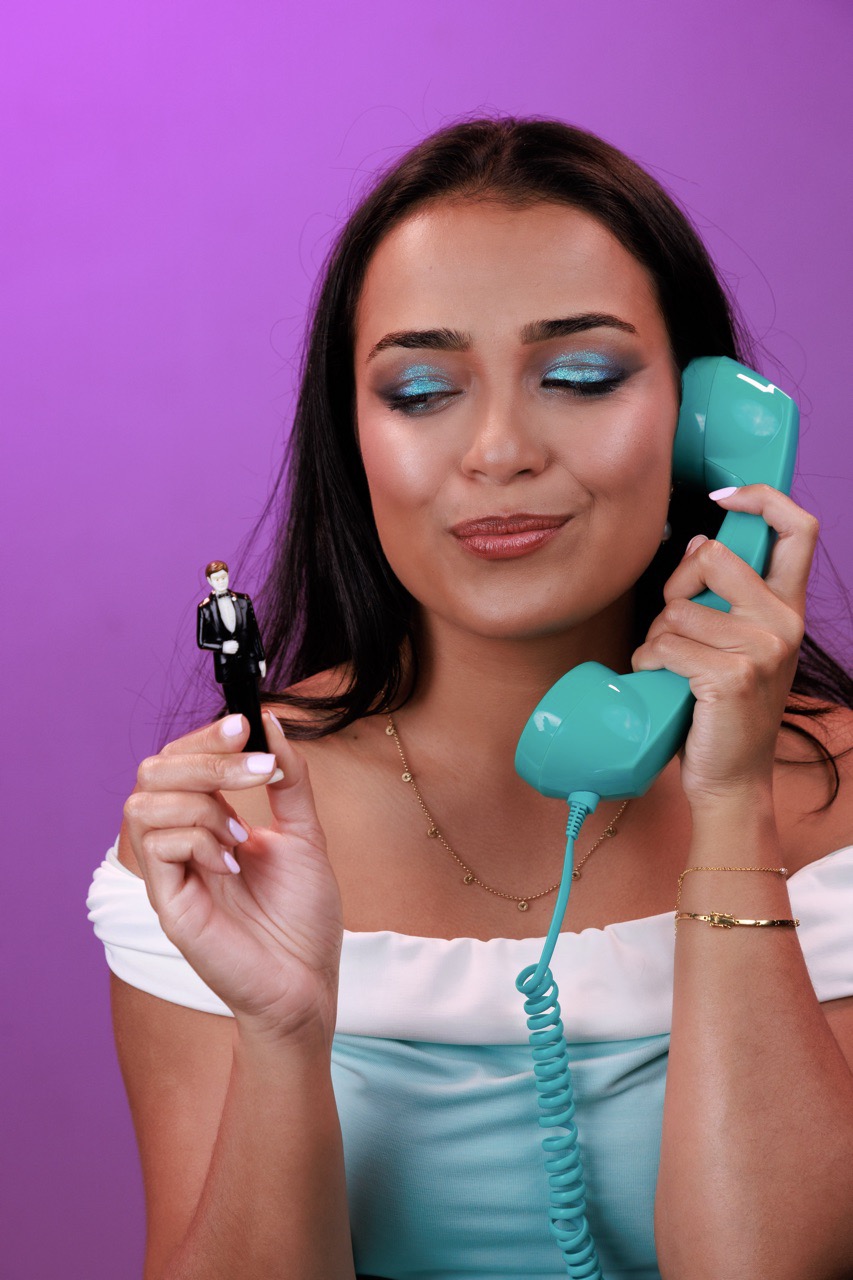
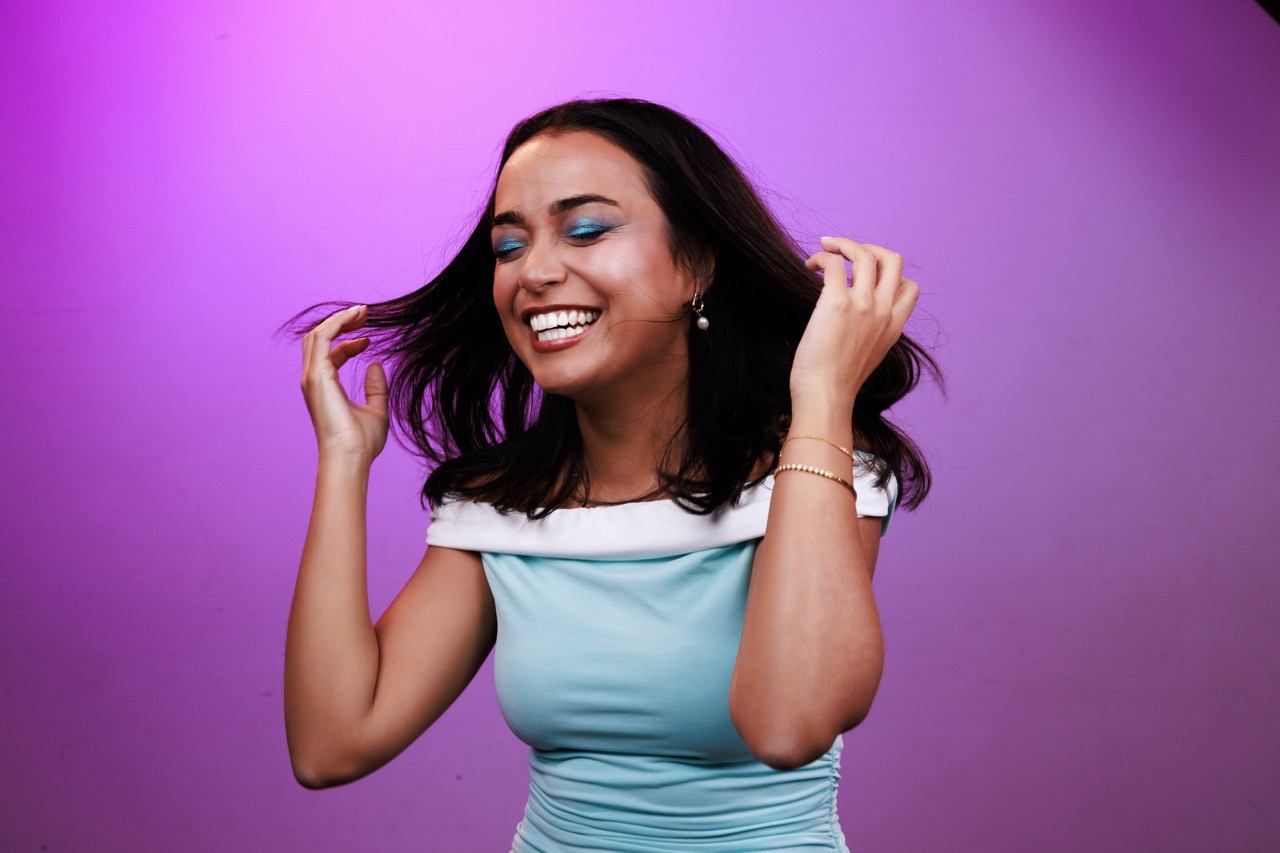
Photo by Matt Bartlett.
Fleabag, Dolly Alderton, Mindy Kaling
You've note-taken for Sarah Lambert, Gretel Vella and Kim Wilson, and worked in a lot of half-hour rooms. Fleabag is going to be in every reviewer's mouth as a reference. What writing lineages are you drawing from — or unlearning — for this?
"It's interesting you say unlearning, because my world has been screen for the last three years. When I gave Maddie the first draft, she was like, it's great, I love the story — just so you know, there's a lot of back-and-forth dialogue. Which is what screenwriting is. That's how you write screenplays."
"I definitely used the great lessons I learned from Sarah Lambert, Gretel Vella, Kim Wilson — writers who are so incredible for plot and comedy, all those fundamentals. But the logistics of it being a play, and a one-woman show, I had to rethink. It was almost like: oh, I've forgotten I'm basically doing a monologue. I know that sounds obvious, but that's what's happening. Luckily, because I'd considered what everyone else was doing in any moment of the scene — what the other character's thinking, where they're at — it makes it easier to seamlessly jump into them for those crucial lines they deliver."
"I've seen Fleabag — Phoebe Waller-Bridge's National Theatre archival footage — and I watched a few more clips to remind myself how she did it. So much is achieved through really simple things. Just where she's looking. Her internal thoughts. Building tension without saying anything. And that simplistic set design. Our designer, Bella Saltearn, has gone beyond the chair Phoebe Waller-Bridge sits on, but we've kept it quite contained deliberately. That's important with a one-woman show, so the set doesn't swallow the actor, and is an asset to work with."
The other reference that comes up around this kind of writing is Dolly Alderton — and Mindy Kaling.
"Something I really enjoy that Fleabag does, and that I did in Amber, is those asides to the audience. That's absolutely in this show, because it's so fun. Some of the best moments of the play are when Poppy comments on what's happening. It adds a lot of comedy, and you really feel for her in certain moments too."
"Two other inspirations: Dolly Alderton — I love her novels. The way comedy sits alongside heartbreak was a huge inspiration for me. She's brought back the rom-com, resurrected it, and that's something I'm trying to do with a person of colour at the centre for a change. And then Mindy Kaling, another rom-com queen — Indian, so therefore my hero in many ways. Also a screenwriter, but she got her break in screen acting through the fringe circuit. I was inspired by her journey to becoming a showrunner, which is what I ultimately dream of doing."
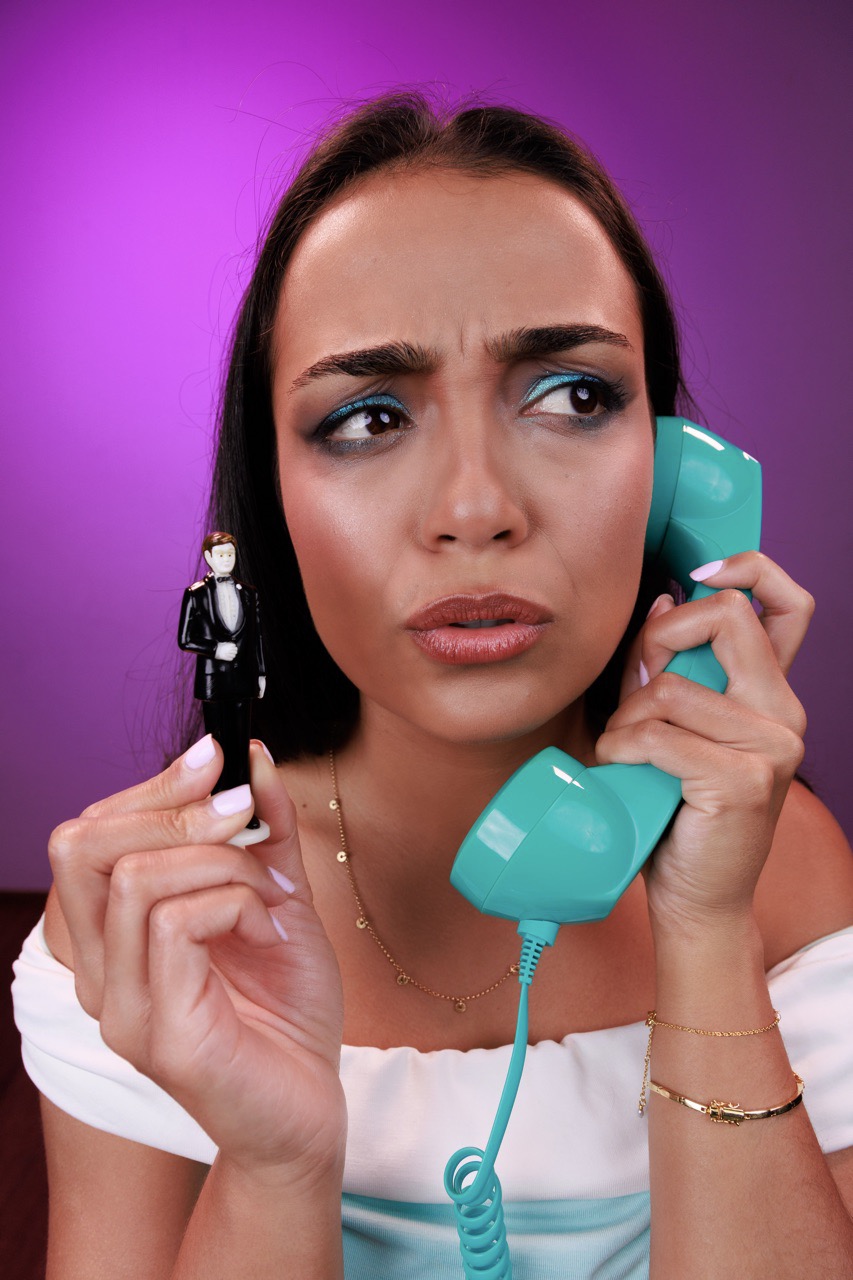
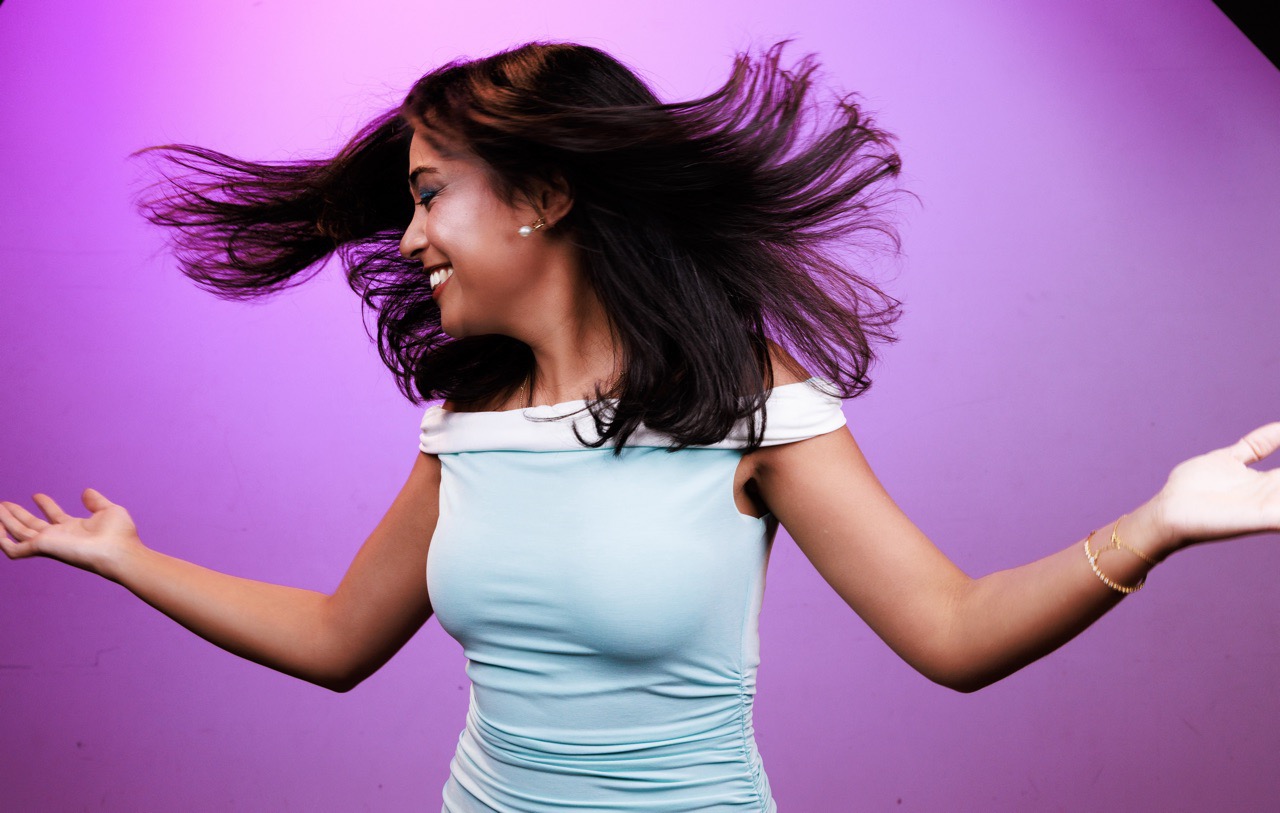
Photo by Matt Bartlett.
Structuring an hour
Without spoiling the plot: how does Poppy's process of revelation and vulnerability unfold, and how much of the timing was worked out on the page versus in the room with Maddie?
"This is where the writers' rooms paid off. Structurally, I looked at it the way I might structure a pilot — sixty minutes — so people don't think I'm a totally terrible writer. I was looking at the acts and the classic key flagpoles: instigating event, climax, crisis. Humans are natural storytellers; we probably do it anyway. I just used that formula to bring it to the stage as a general shape."
"The original version was much more detailed and we stripped it back a lot. Cut characters. Merged characters. The actual shape stayed the same, but the way we reach those key points became a lot more streamlined."
"Poppy — I won't say exactly how the instigating event plays out, but in a nutshell she's learned that her ex, the one she was incredibly in love with and still hasn't gotten over, has moved on. So she goes: right. I'm going to rethink how I'm existing, because what I'm doing right now isn't working. She feels the universe is taking the piss, and decides that for the first time in her life, she's going to just date for fun. And she does. And it is a lot of fun. But she's avoiding something underneath — running from her own loneliness, which we all do in many ways. She learns lessons along the way, but ultimately has to confront the reality that she's single, and accept it or not."
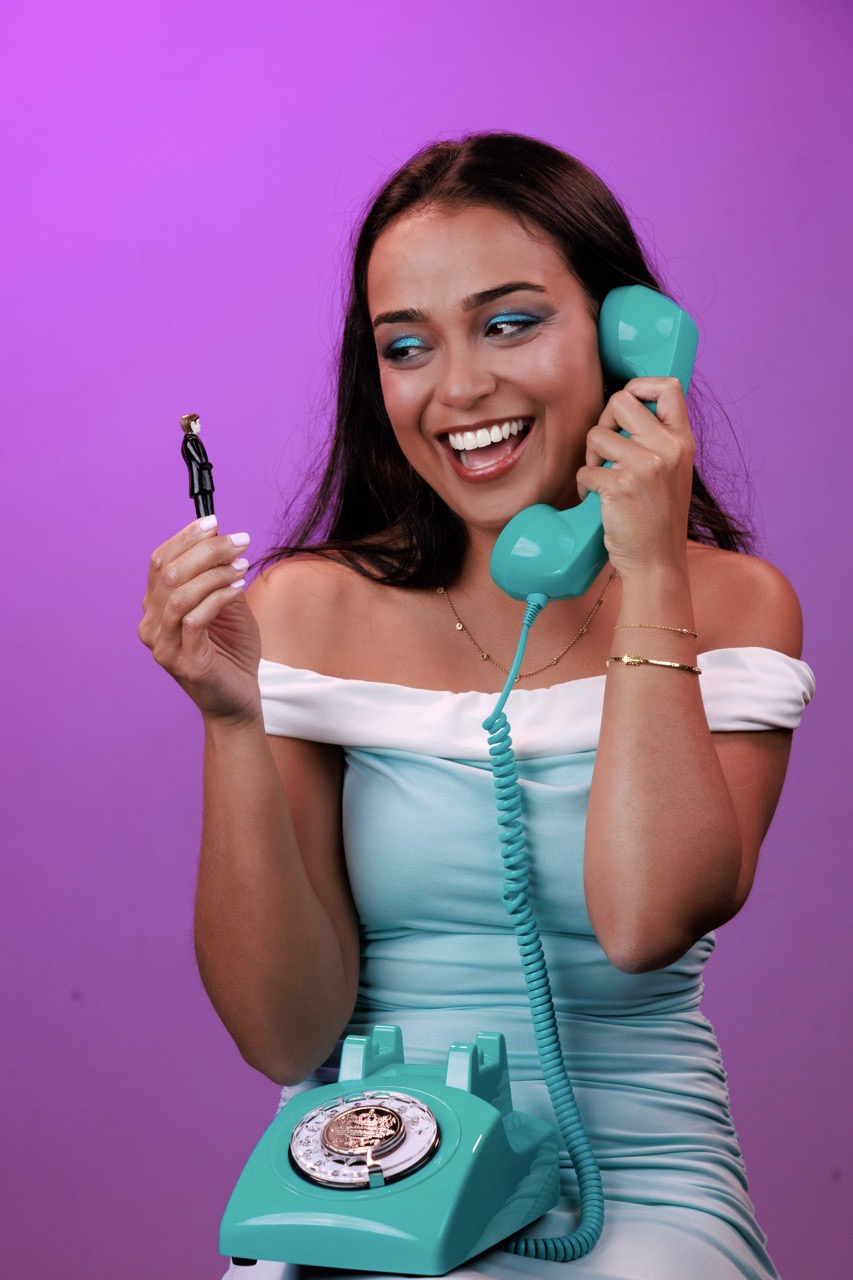
Photo by Matt Bartlett.
Sound and set
Otto Zagala is on sound design — they also worked on Geo Ophelia, which is a beautiful example of sound doing storytelling work with a sparse cast and stage.
"Sound is a crucial part of the story and also my process in writing. I often use sound to help me build moments. We're sitting in the rom-com genre, and if you think of a rom-com soundtrack, it's very important to telling the story. Otto is juggling so many projects at the moment — it's mind-blowing. We're yet to combine the two elements together, but I sent a bunch of samples, there's music written into the script, and I'm going to let Otto work their magic. Seventies pop is roughly where the music sits at the moment. That might change."
"Maddie and I are using sound in rehearsals to get into different moments and worlds the play dips into. There are some moments where it gets a bit abstract, and sound is really necessary in building those parts. But it also adds comedy. We all agreed early in production meetings that sound is a crucial element for me to work with. I don't want to say too much — it sounds like I'm hiding things deliberately — but there are really fun moments where I'm playing with sound and how it functions."
And the set?
"Amber was a rom-com in some ways too, though a rom-com about grief. This is a different kind of rom-com, and we really wanted to differentiate it. I even had a friend who's not in the theatre world text me and say, is this the same play again? No. It's a totally different story. So we've tried to create a different world for Poppy."
"We wanted something that speaks to her moving into a new share house, but the set has to be highly transformative. We've got three key set pieces, and we use them to journey between her mother's living room, the share house — she's a florist, so we've got beautiful floral elements and surprises hidden in the set, which I always love. Her sister is about to get married, so we've got the dress fitting, the wedding. Lots of different elements. Although there are only three distinct set pieces, they're united by a beautiful rug, I'm told. It helps us enter so many different settings and access different parts of Poppy too."
Photo by Matt Bartlett.
Producing independently in Sydney
The show is produced by Peg on a Line Productions. Is that your company, or a bit of the industry-insider story of how independent producing still happens here?
"Peg on a Line isn't my company. It's run by Jason Jefferies, a very talented actor. He wasn't at NIDA while I was there, but we crossed paths pretty quickly after I'd left. Maddie and he had worked together before, and Maddie said, he's a really great producer, why don't we see if he's available? He was. He hasn't produced in a little while, so I'm really glad he jumped on board."
"There are five of us on the team, but Maddie, Jason and I work together closely from the production side. I wrangled Maddie into acting in a skit online on Instagram to promote the show — and would you believe it went viral. Half a million views and close to 50,000 likes, in the last twenty-four hours. I don't know if that means we'll sell tickets, but there's a lot of international hype on this show."
And Time Out has named it in a must-see roundup.
"I know. We're so excited by that."
Photo by Matt Bartlett.
The audience
Who is the audience you have in mind when you're writing? Is it the same audience you're performing for on social media?
"On social media, what I noticed in the viral clip is how many women in their twenties were liking it — and older thirties too. It's resonating a lot with women in their twenties. That's probably the target audience: women in their twenties and thirties. Really fun for a girls' night out."
"But none of us are really immune to heartbreak, and we all love a good laugh. It's not just Poppy on her own journey — her friends, her sister, her housemates are all going through things too. The story will resonate in surprising ways with all sorts of people, I hope."
Is there a central question the play is trying to answer?
"The central question I was trying to answer — and it's a good place to end our interview — is: is it truly better to have loved and lost? That's what ties the whole piece together. A lot of people can relate to that question on different levels. My answer is yes. It is truly better to have loved and lost. Writing this play, observing the gifts that come out of heartbreak and loss, life not working out, life being messy and unexpected — the way we're all on completely different journeys, but we can be there for each other and appreciate the beauty in amongst that."
Anything you'd like to add?
"I really want audiences to come and have a great time. I hope people are excited by the piece, and do come. It's the kind of show you can see alone, too. I think it'll be a great night at the theatre, and I really hope people join us on this ride."
Photo by Matt Bartlett.
The Last Single Girl in Sydney — written and performed by Nikita Waldron, directed by Maddie Diggins. Erskineville Town Hall — Emerging Artist Share House, 8–12 September 2026.
Writer & Performer: Nikita Waldron Director: Maddie Diggins Producer: Jason Jefferies for Peg on a Line Productions Set & Costume Design: Bella Saltearn Sound Design: Otto Zagala
Interviewed by Aubrey Naur.
Erskineville Town Hall — Emerging Artist Share House, 104 Erskineville Road, Erskineville 2043 (Gadigal Country). Presented as part of Sydney Fringe 2026.


%402x.svg)

.webp)


