Dancing with the Roots Review — Guillermo Robayo Gómez, Dica & Daniela Zambrano, Sydney Fringe 2026
Three emerging Colombian-Australian artists — Guillermo Robayo Gómez, Dica and Daniela Zambrano — reach back through smoke, song and ancestry in Dancing with the Roots, an intimate and experimental exploration of identity and belonging at Sydney Fringe 2026. Kate Gaul finds a heartfelt, ambitious work whose youth is its great strength — a must-see.
Dancing with the Roots Review
Their youth is not a limitation; it is the work's great strength.
Three emerging Colombian-Australian artists — Guillermo Robayo Gómez, Dica & Daniela Zambrano — reach back through smoke, song and ancestry in Dancing with the Roots, an intimate and experimental exploration of identity and belonging at Sydney Fringe 2026. Kate Gaul finds a heartfelt, ambitious work whose youth is its great strength — a must-see.
Reviewed by Kate Gaul.
Photos: Adriana Diaz
Stepping off the train at Fairfield, the city traveller enters another world. One of Sydney's most culturally diverse suburbs, Fairfield is home to a significant Colombian community, and Dancing with the Roots begins by inviting us to look beyond the familiar geography of the city and into the histories, memories and cultural practices carried by those who have made this place home.
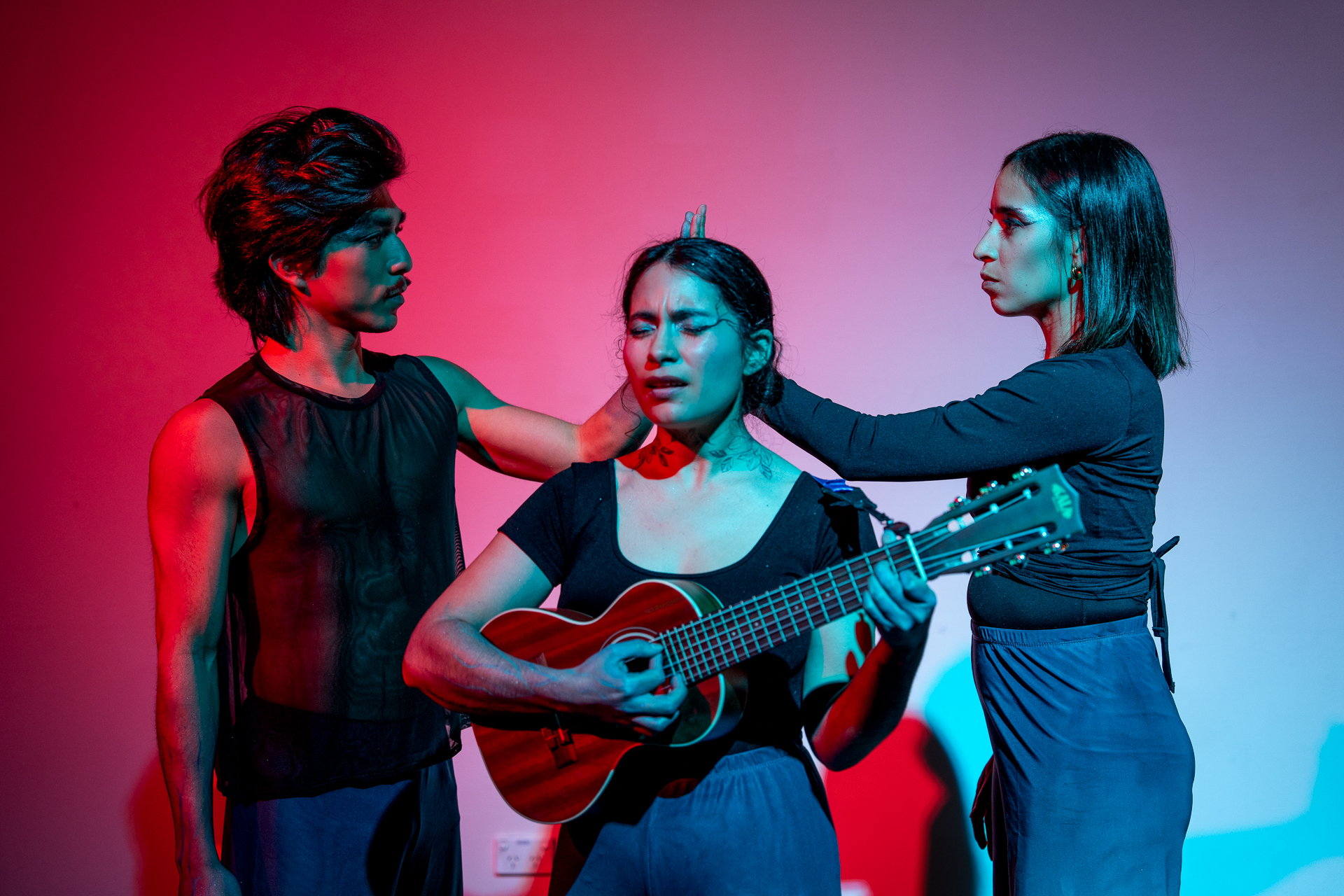
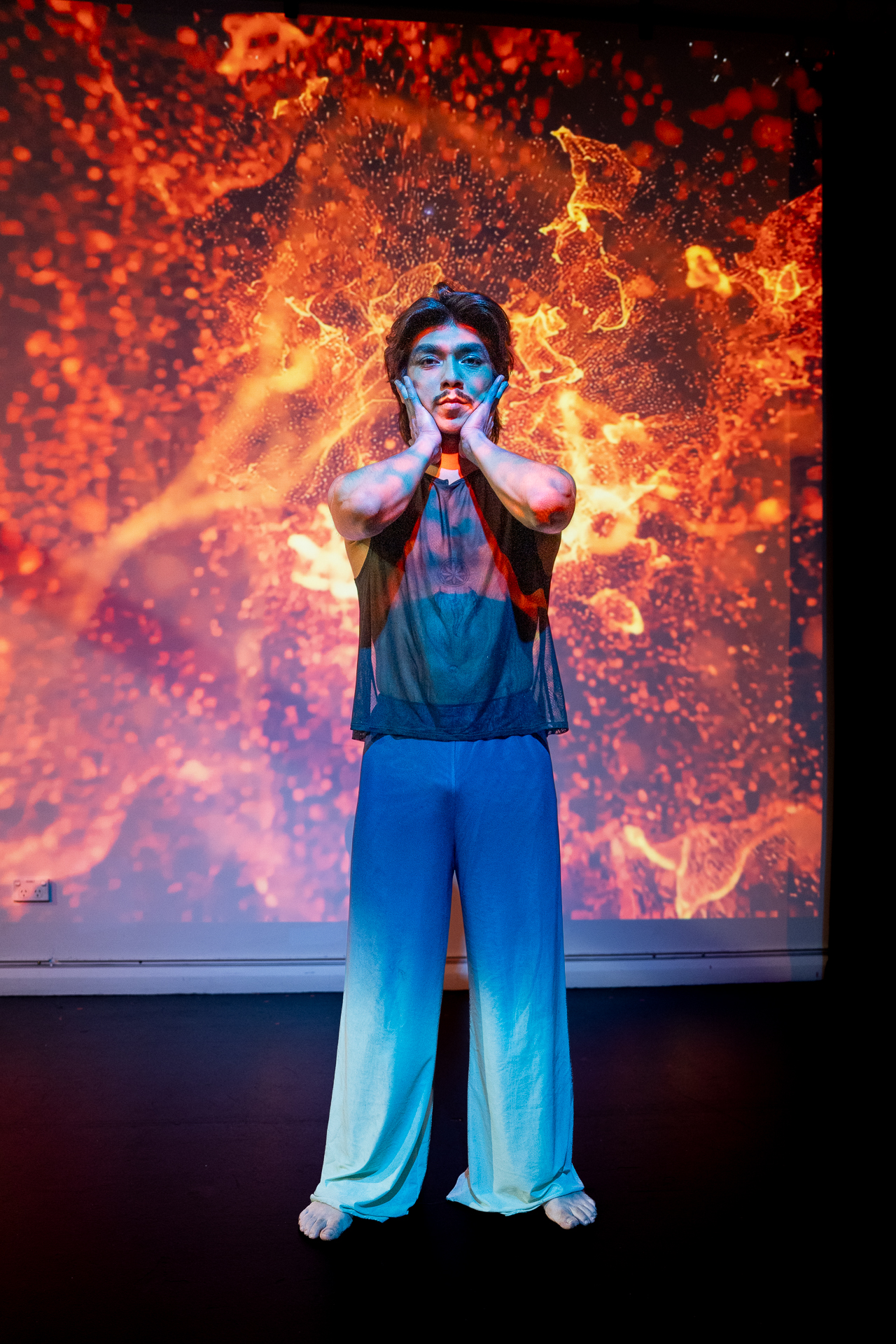
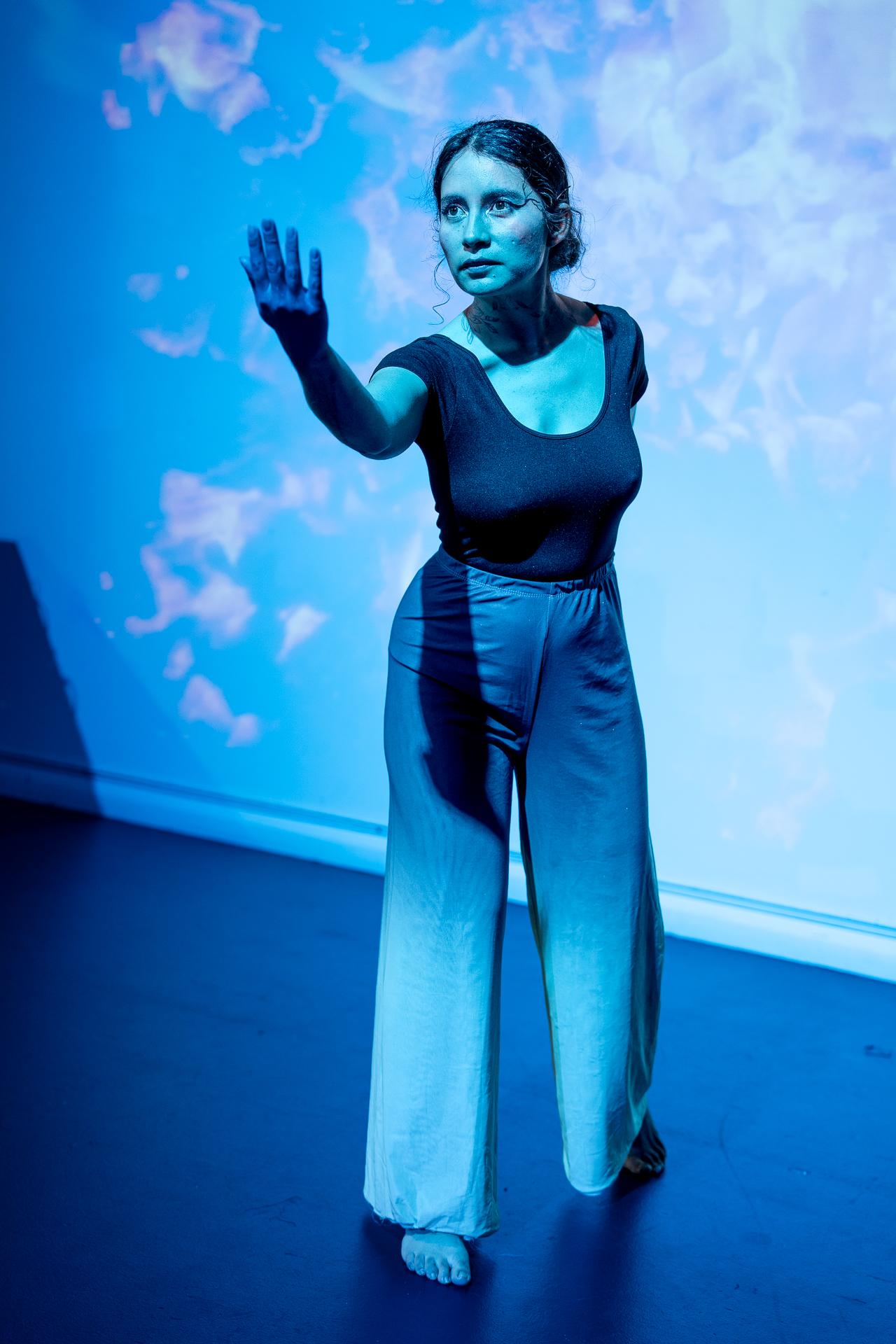
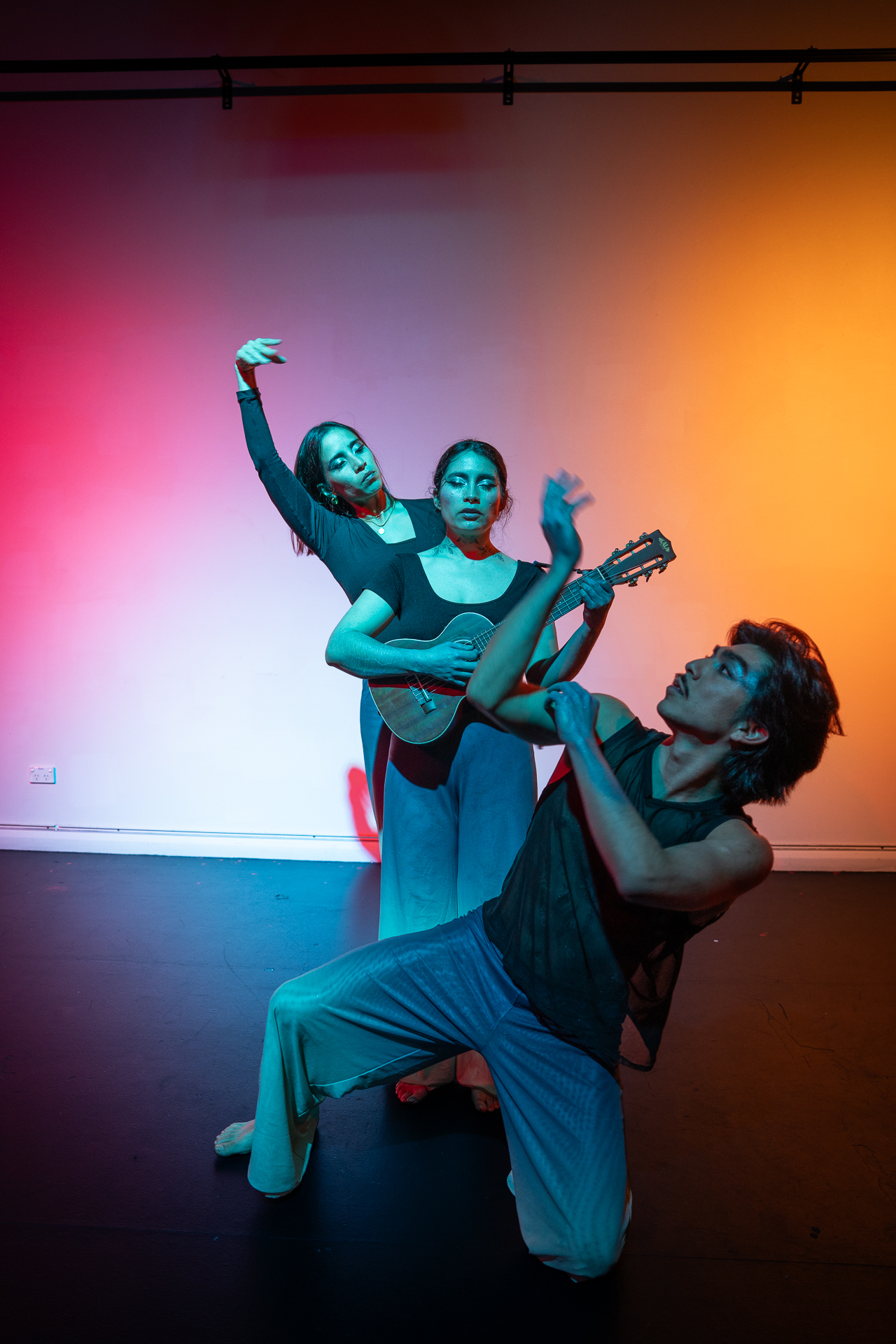
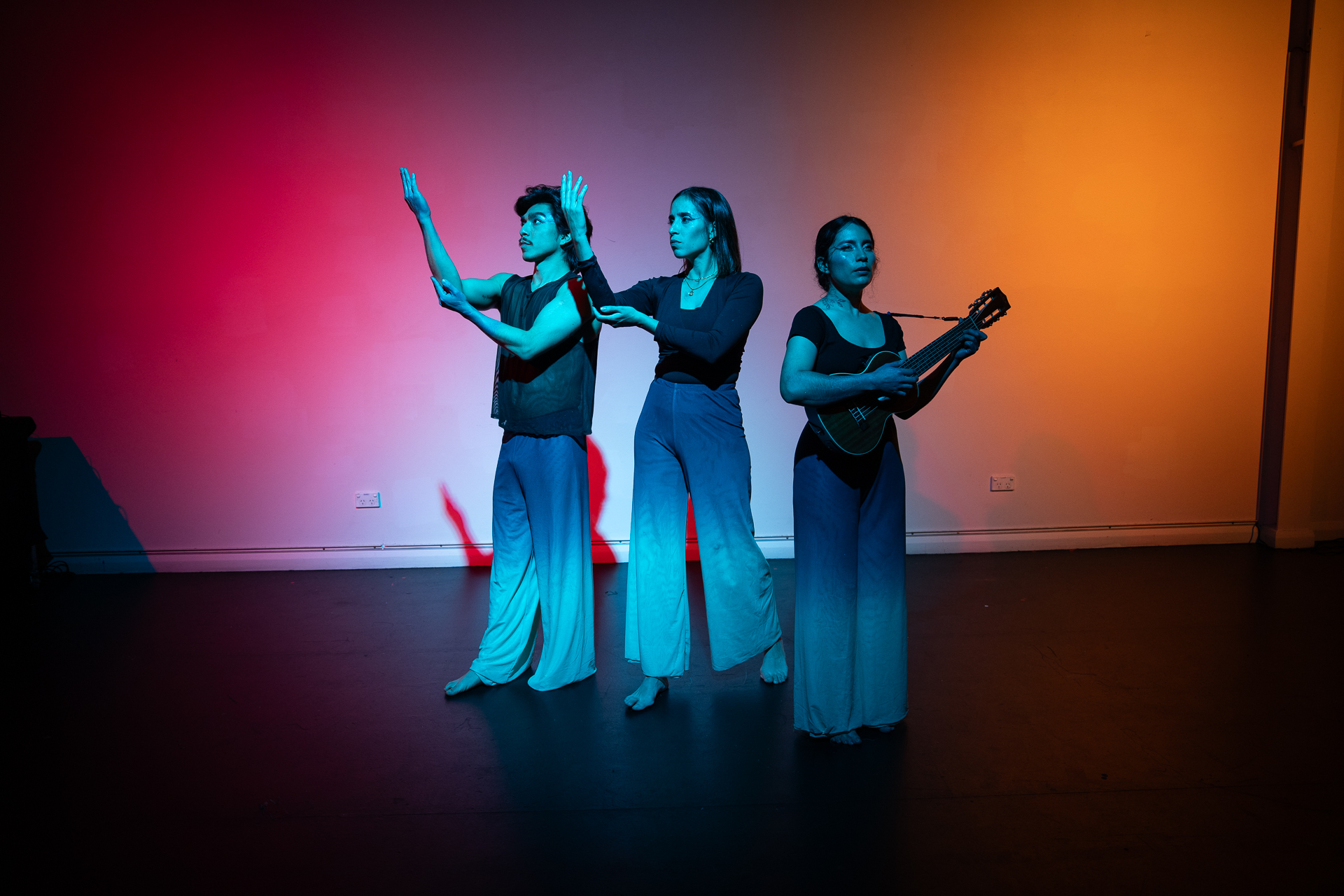
Created and performed by three emerging Colombian-Australian artists — Guillermo Robayo Gómez, Dica & Daniela Zambrano — Dancing with the Roots is an intimate and experimental exploration of ancestry, identity and belonging. The work is heartfelt and ambitious, and there is something particularly affecting about watching young artists grapple so openly and generously with the question of where they come from and what they carry with them. They use dance, spoken word, music and testimony.
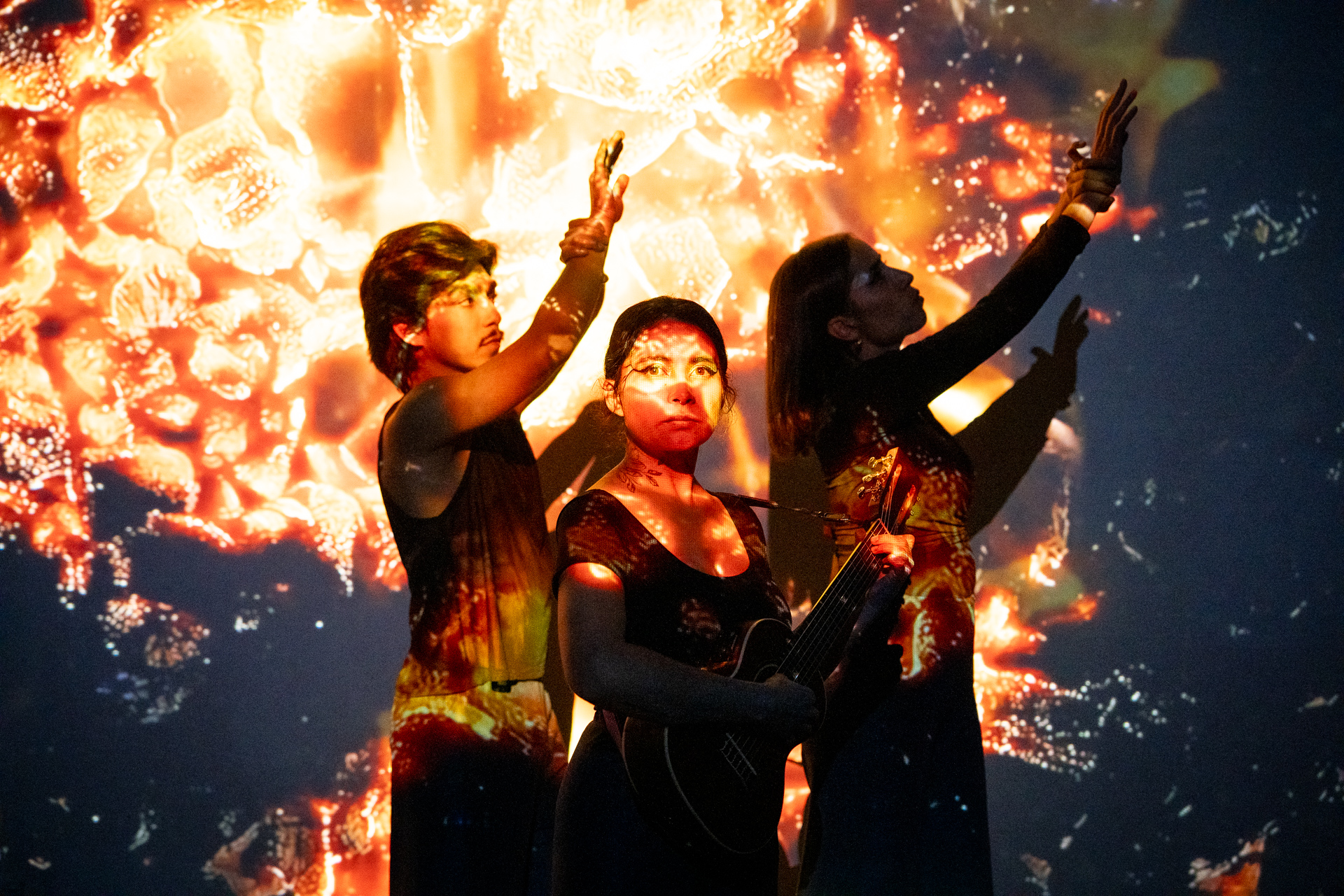
The opening sequence takes us into the ancient and mystical world of tobacco. Long before colonisation, tobacco was an important plant within Indigenous cultures across Colombia and South America, used not simply for smoking but for medicine, ceremony, offerings and spiritual practice. Among the Muysca, for example, tobacco was one of the sacred substances used in rituals and offerings, while Indigenous traditions across Colombia have understood the plant as a means of connecting the human, spiritual and natural worlds.
This history gives the opening of Dancing with the Roots a particular resonance. Tobacco becomes more than an object or image: it is a portal into ancestral knowledge, spirituality and connection to Country. The performers reach back towards a pre-colonial history while simultaneously asking what it means for that history to survive, transform and find expression in the bodies of a younger generation living far from Colombia.
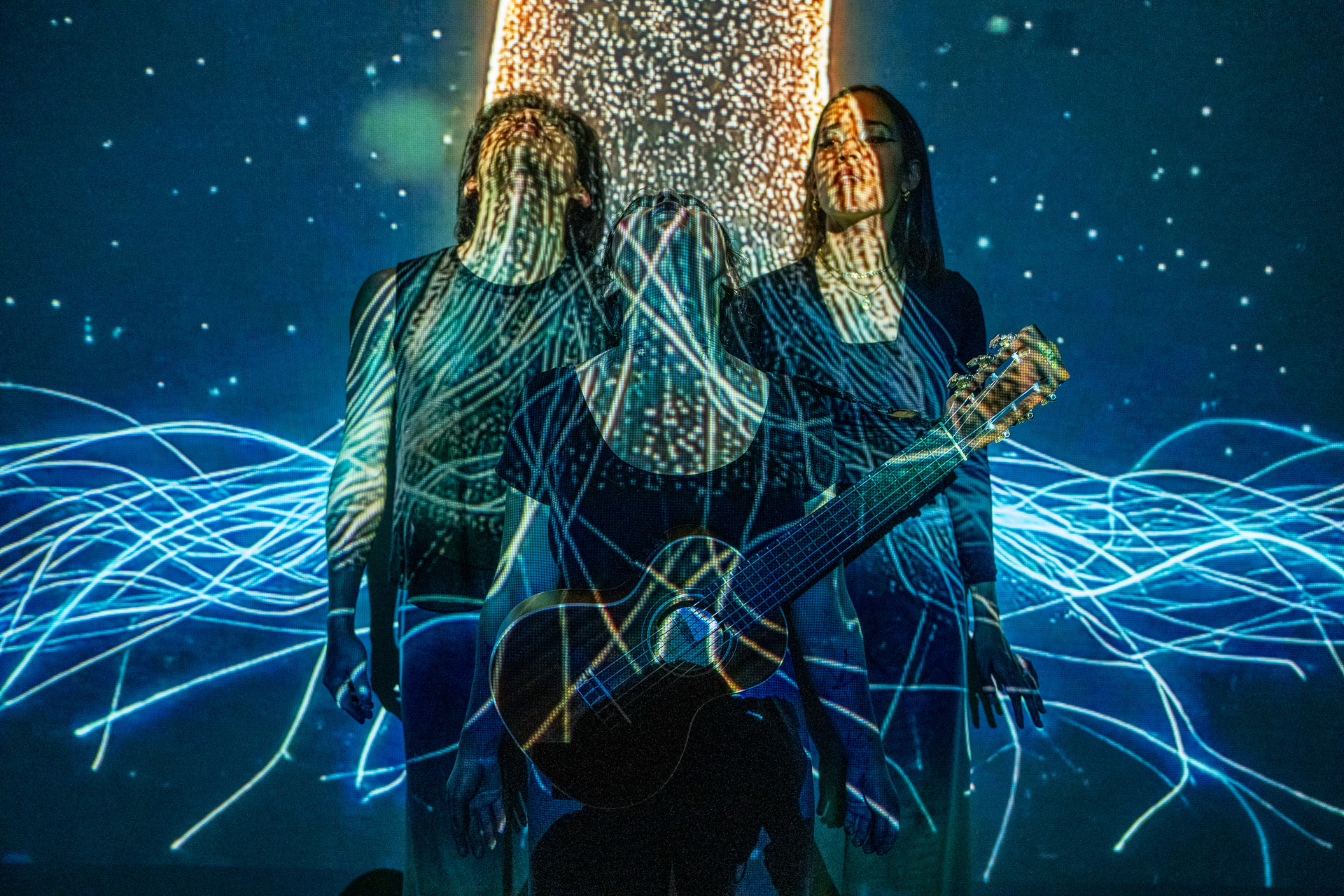
The work doesn't attempt to reconstruct this history literally. Instead, smoke, movement, sound, image and text create an evocative and sometimes dreamlike landscape. Each artist works to their particular strengths, moving between dance, monologue and live music. Spanish-language singing adds another layer of intimacy, while the physicality of the performers allows stories and memories to be communicated without always needing to be translated into words.
As the performance progresses, Dancing with the Roots moves beyond the artists themselves. A beautifully realised video sequence (Jesús Gómez & Guillermo Robayo Gómez) brings the work into dialogue with members of the older Colombian community, allowing the voices and experiences of elders to enter the space. The effect is poignant.
And it is the youth of these artists that makes the work so powerful. There is an openness and vulnerability in their performance that cannot be manufactured. They are still emerging artists, still finding their theatrical voices, and that sense of discovery is part of what makes Dancing with the Roots so moving.
"Their youth is not a limitation; it is the work's great strength."
We witness artists reaching backwards into history while simultaneously making something of their own.
The final movement breaks down the boundary between performer and audience, inviting us into a participatory dance. It is a fitting conclusion to a work concerned with connection — between generations, between cultures, and between the individual and the community.
Dancing with the Roots is ideal for audiences interested in emerging contemporary performance, physical theatre, live music and intercultural storytelling. It will particularly resonate with migrant, diasporic and multicultural audiences, but its themes are much broader: memory, identity, ancestry and belonging.
For the sheer heart of the work, the ambition of these emerging artists, and the powerful poignancy of witnessing young people discovering, questioning and celebrating their roots — this is must-see.
Dancing with the Roots — created and performed by Guillermo Robayo Gómez, Dica and Daniela Zambrano. Sydney Fringe 2026.


%402x.svg)

.webp)


