Son of Hercules Review — Angus Temrak at The Office at Erskineville Town Hall, Sydney Fringe 2026
Emily Facoory reviews Son of Hercules, Angus Temrak's one-man mask-theatre piece co-created with Italian director Francesco Procopio, at The Office at Erskineville Town Hall for the Sydney Fringe Festival 2026. Behind the mask of commedia dell'arte, a hero is reduced to his weaknesses and faults: the god revealed as a father who was never there.
Son of Hercules Review
Behind the mask, the hero is reduced to his weaknesses and faults.
Angus Temrak's Son of Hercules, a one-man mask-theatre piece co-created with Italian director Francesco Procopio, takes the ancient myth and transports it into the modern day to look at the god as a father who was never there. Reviewed at The Office at Erskineville Town Hall as part of the Sydney Fringe Festival 2026.
Reviewed by Emily Facoory.
The ancient myth of Hercules tells the story of the famed god whose strength and bravado makes him a legend in Ancient Greece. Taking this myth and transporting it into modern day, the Son of Hercules explores family dynamics. The one-man show dives behind the mask, where the heroic figure is reduced down to his weaknesses and faults, the hero shown as a father who was never there. The Son of Hercules sets modern-day relationships against mythical ones. Devised in Berlin, and co-created with Italian director, Francesco Procopio, it stars Australian actor Angus Temrak.
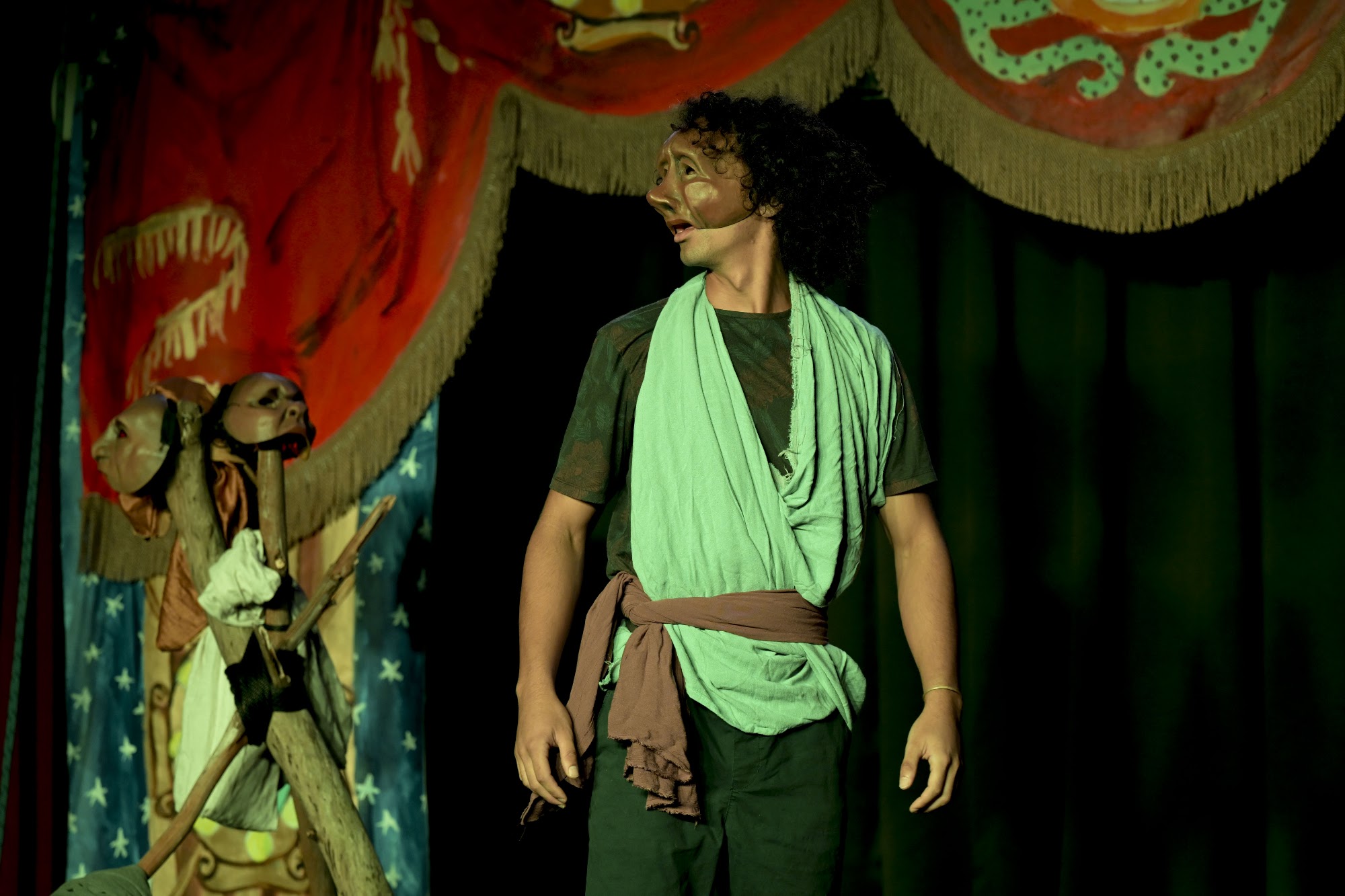
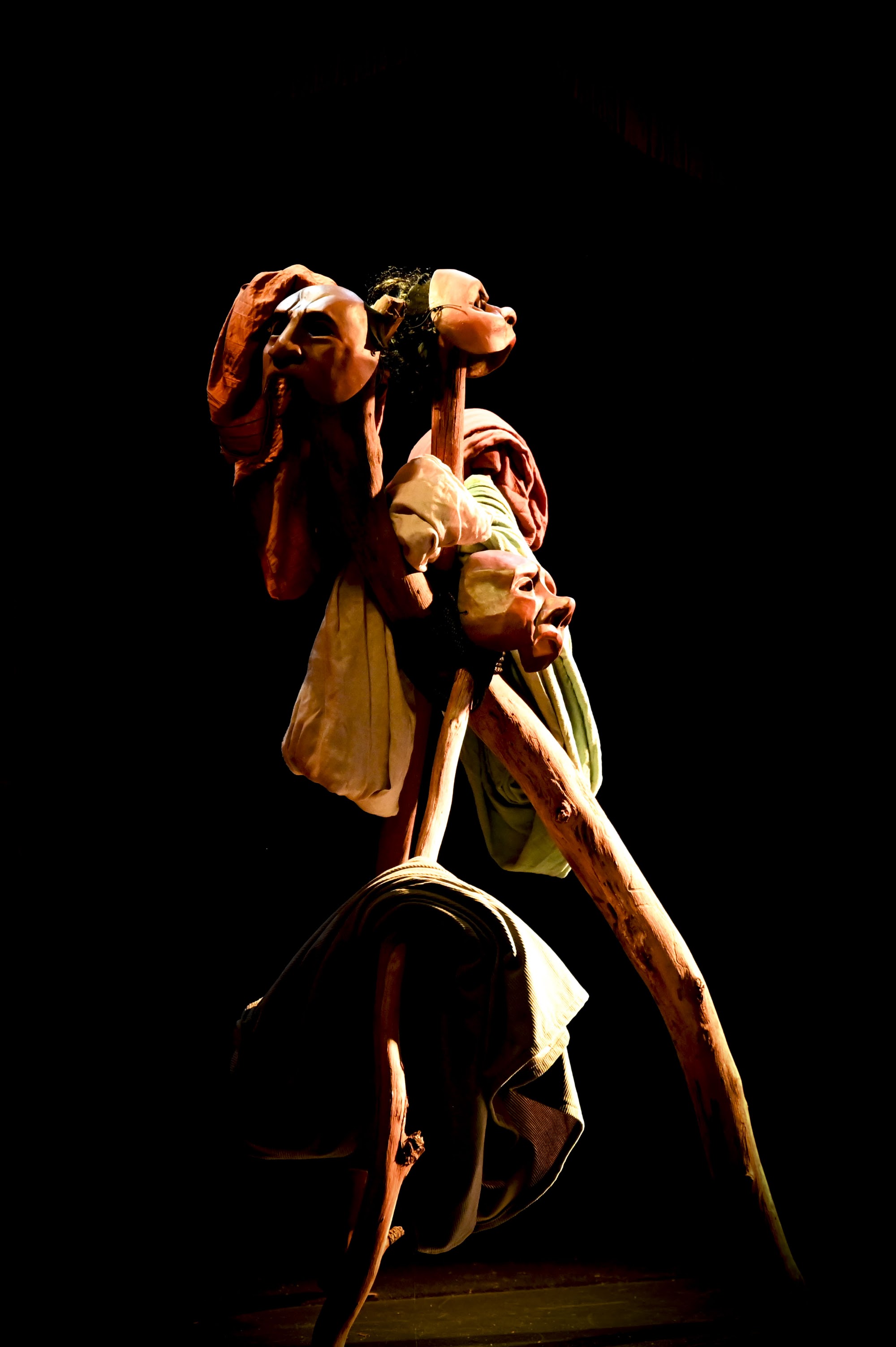
Located at The Office at Erskineville Town Hall as part of the Sydney Fringe Festival, the play occupied a small room with a black curtain as the backdrop. The only prop on stage was a simple coat rack made of sticks, used to display the three masks along with pieces of cloth used for togas.
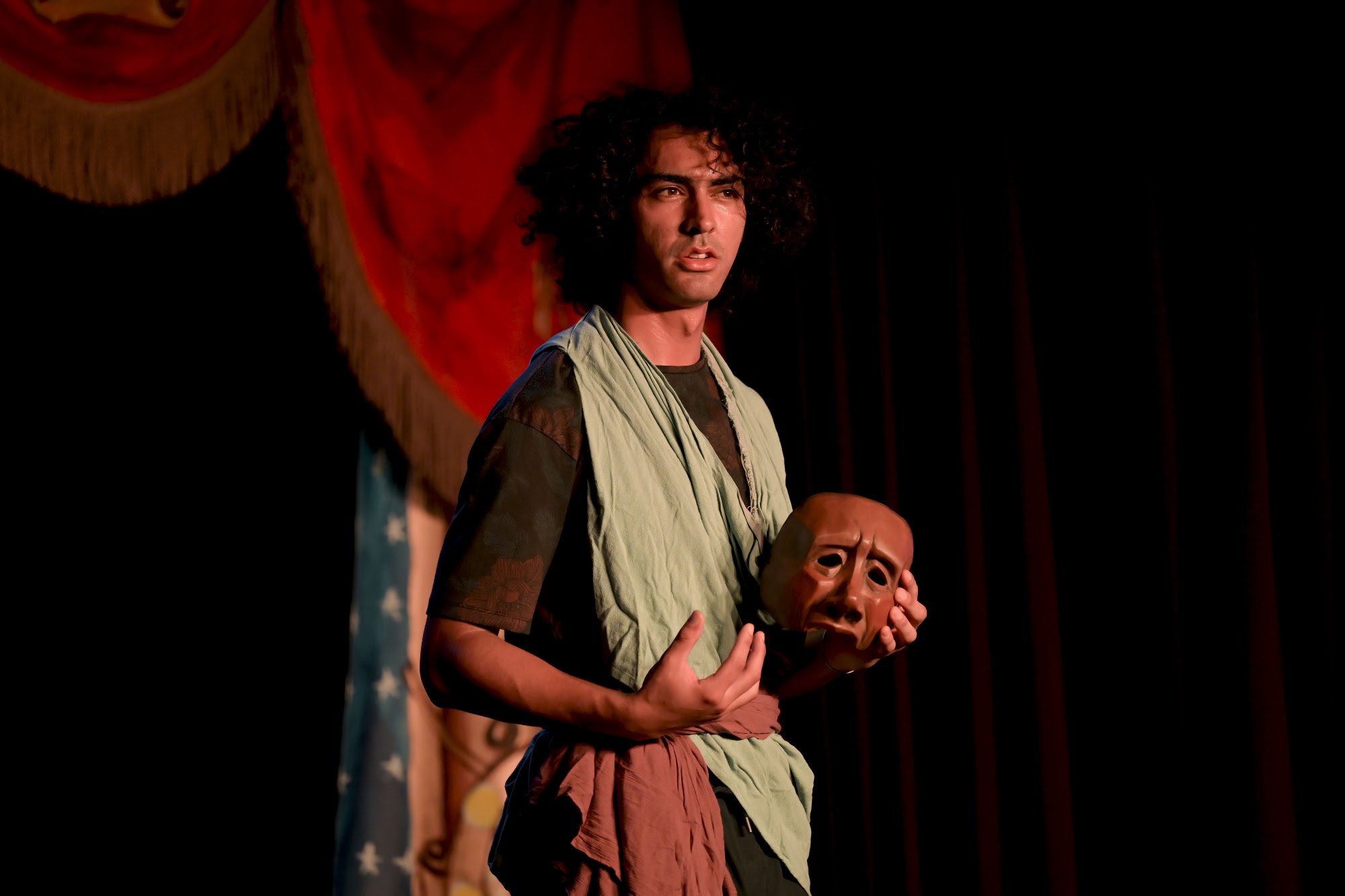
Temrak studied the style of mask theatre in Italy, commedia dell'arte, a form of performance I had never personally seen before. Throughout the show, he switched between three masks, transforming into Hercules, his wife Deianira and their son Hyllus. It was an intriguing way of storytelling as our facial expressions reveal so much, and when hidden, we have to rely on movement, body language and voice instead.
While at times quite satirical, his portrayal of all three characters was a fascinating watch, achieving the rather hard task of portraying three wildly different people with minimal transitions. A higher pitched nagging voice portrays Deianira, quick movements convey Hyllus's youthful nature while Temrak uses his full body to portray the vastness of Hercules' ego. He moves from the arrogant Hercules, to the overlooked Deianira and naive Hyllus with ease.
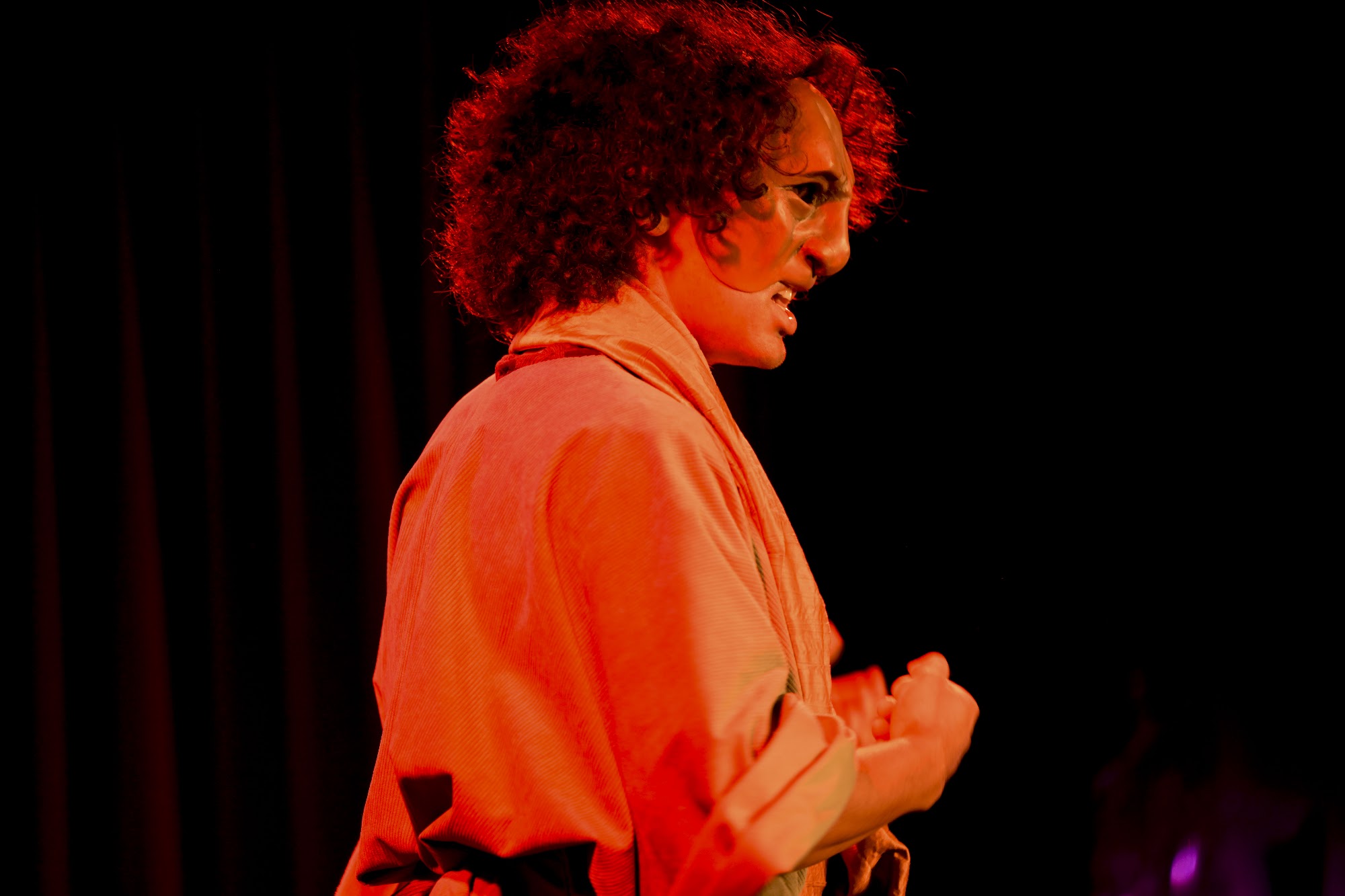
The masks took on an eerie glow as they each covered half of Temrak's face. An upturned nose and a look of confused innocence displayed Hyllus's childlike wonder. While Deianira's face had a searching look mixed with disappointment, aimed at no doubt Hercules.
Strong and fierce, it wasn't hard to see Hercules' mask portraying him as the brash and arrogant hero. As Temrak put on each mask, they effortlessly transported the viewer into the Ancient Greek world. The masks were initially designed in clay but then created with papier-mâché, made by French artist Solène Maureau.
Switching between modern day and ancient Greece, the story starts at a hospital in the present day where a son reads to his dying father. A relationship soured by estrangement and abandonment, which also reflects on Hyllus's own relationship with the absent Hercules. The modern day son seeks out answers to his father's disappointing behaviour as he had to step up and look after the family while his father left them all behind and is now seeking out reconciliation. It's clear the link between the modern son and Hyllus as both desperately seek their father's approval.
Transitioning to Ancient Greece with a change of mask and a toga, Temrak portrays Hyllus first, using brash movements and quick jumps as he is waiting for his father's return. All Hyllus wants is to be just like his father, wondering why he always has to leave and is eager for his father's love and affection.
Meanwhile Deianira is waiting for Hercules to come home and be a husband and a father instead of a soldier. She's frustrated with him and his false promises of showing her the world and raising Hyllus together. But he disappeared into battle once Mount Olympus was under attack.
Jealous and eager to be younger, Deianira tries anything to get Hercules' attention. A centaur gives Deianira a poisoned scarf. Through this event, Deianira cultivates false hope and her actions cause viewers to feel sympathy for Hercules' son who longs for his father's love.
Temrak portrays Hercules as the arrogant, boastful hero who's unaware of his family's woes. He's too occupied with his own agenda and pride. Temrak gives a raw and vulnerable performance as each family member. He shows their personalities through the excitable leaps across the stage as Hyllus, the high pitched tone of Deianira and the strong, domineering posture of Hercules.
The contrast between modern day and ancient times was a unique idea, but at points it was unclear when the two timelines changed. As scenes changed from one of the masked narrators to the modern day son, there was no differentiation between the characters and I was waiting for a new mask or significant change in clothing to arrive. The hospital scene was the one that threw me: a mask came off and I spent a beat unsure whether I was still watching Hyllus or already the modern son. But as the final mask was laid to rest, I understood the appeal of changing identities with this art form. Though with their slightly foreboding look I wouldn't be surprised if the masks haunted my dreams.
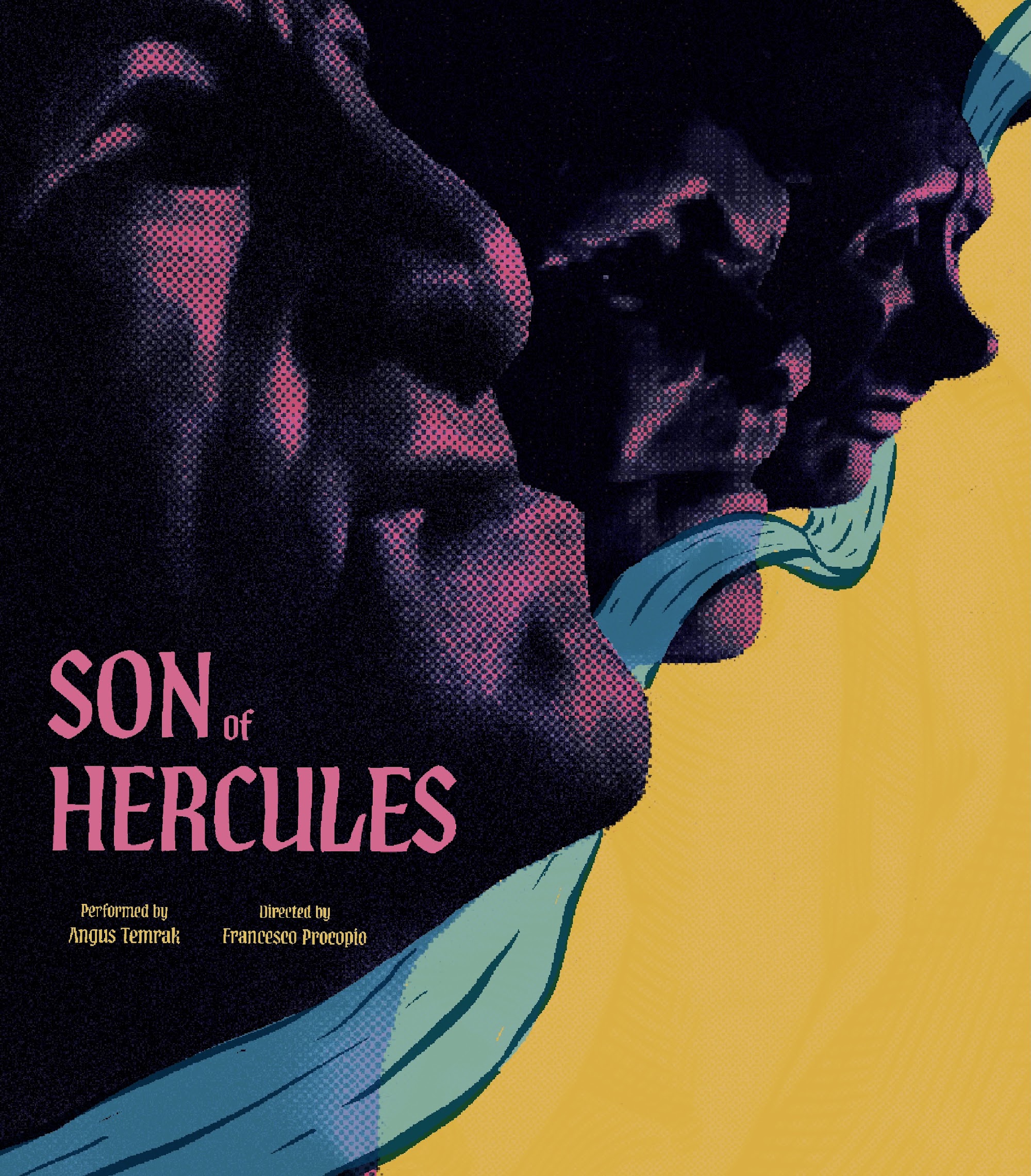
Son of Hercules — a one-man mask-theatre piece written and performed by Angus Temrak, co-created with Italian director Francesco Procopio. The Office at Erskineville Town Hall, Sydney Fringe Festival 2026.
Writer and performer: Angus Temrak Co-creator / Director: Francesco Procopio Mask design: Solène Maureau